
For Sale by Owner (FSBO): Legal and Financial Risks Home Sellers Should Understand
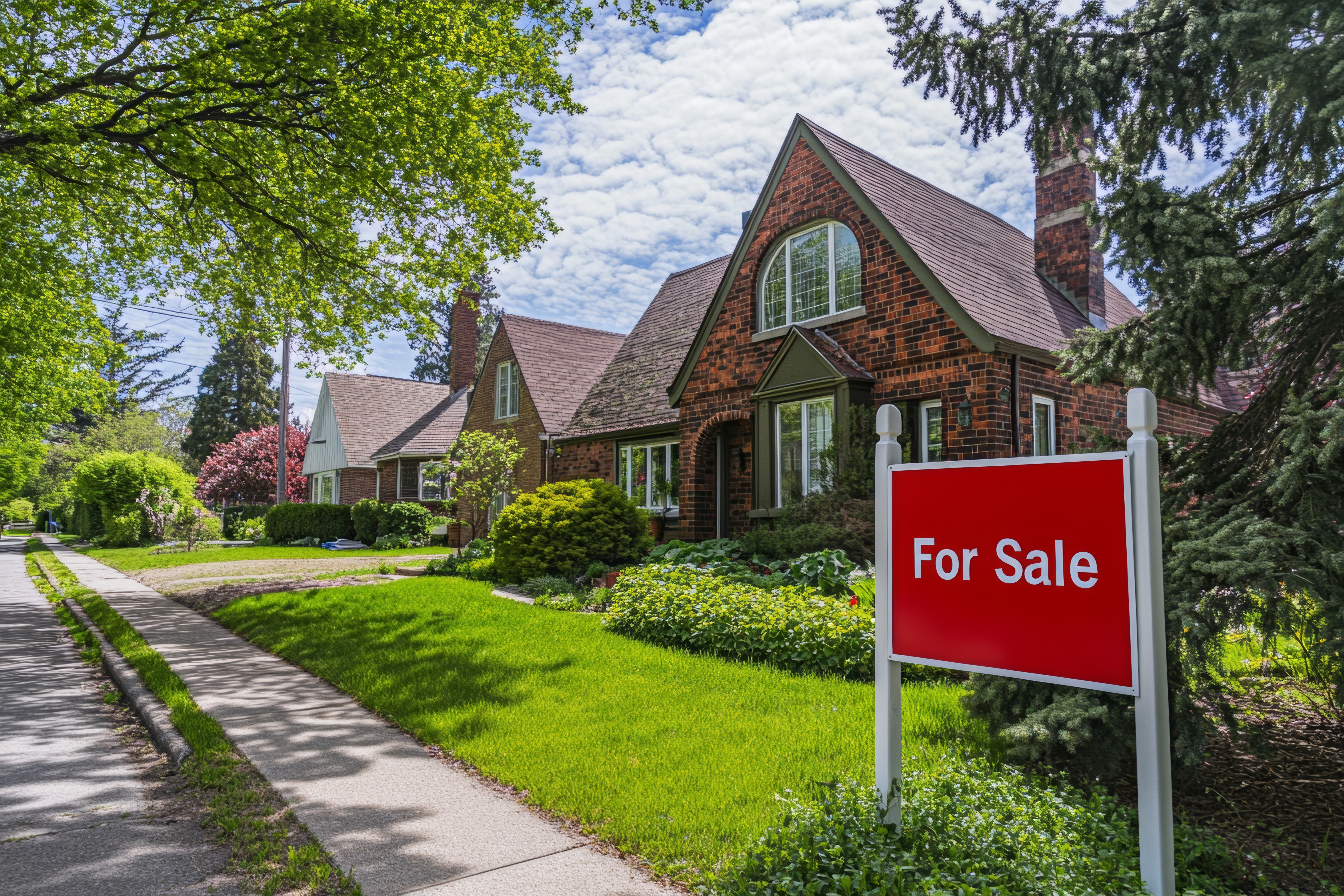
Selling your home without a real estate agent—commonly known as For Sale by Owner (FSBO)—may seem like a smart way to save on commissions. While the idea is appealing, FSBO transactions come with significant legal, financial, and procedural risks that many homeowners don’t anticipate. As a real estate attorney serving clients across New York, New Jersey, and Pennsylvania, I routinely see sellers run into avoidable problems simply because they lacked professional guidance.
Pricing Challenges Can Lead to Costly Mistakes
Setting the right price is one of the most difficult parts of any home sale, especially without professional support. Many FSBO sellers rely on limited research or outdated online estimates, leading to inaccurate pricing. An overpriced home may sit on the market too long, deterring qualified buyers. Meanwhile, an underpriced home can result in substantial financial loss—money sellers cannot recover after closing.
Another major challenge is visibility. Popular real estate platforms like Zillow and Redfin rely heavily on data from the Multiple Listing Service (MLS)—a tool generally available only to licensed real estate professionals. While FSBO listing services exist, exposure is rarely comparable to what a real estate agent can provide. Less exposure often means fewer showings, fewer offers, and ultimately a lower sale price.
Legal Missteps Can Create Serious Liability
Beyond pricing and marketing, FSBO sellers take on full responsibility for the legal aspects of the transaction. Homeowners may inadvertently create legally binding agreements without understanding the terms. Even a preliminary accepted offer can have enforceable implications, and mishandling contingencies or deadlines can lead to disputes and delays.
Drafting the purchase agreement is another area where FSBO sellers face risk. The contract must clearly outline the sale price, earnest money, inspection terms, closing timeline, and more. Missing language or unclear terms can lead to disagreements or failed transactions. Sellers must also ensure they can deliver a clear and marketable title, free of liens, encumbrances, or ownership issues. If title defects surface near closing, the sale may stall or collapse entirely.
Disclosure Requirements Are Easy to Overlook
Every state has strict rules regarding seller disclosures. Homeowners are required to report known issues such as water intrusion, structural defects, mold, pest activity, or mechanical failures. FSBO sellers often underestimate how detailed and accurate disclosures must be. Failing to disclose a known issue—even by accident—can lead to legal claims, costly repairs, or lawsuits after closing.
Why Hiring a Real Estate Attorney Is a Smart Investment
While sellers may still decide to sell without a real estate agent since avoiding commissions is appealing, the potential financial and legal risks of handling a home sale alone often outweigh the savings. If they decide to sell without a real estate agent, at least they should make sure they are hiring a seasoned real estate attorney for contract drafting, title review, negotiation support, and closing coordination. For a generally modest flat fee, a real estate attorney can help prevent costly mistakes and protect your interests from contract to closing.
Because selling a home is one of your most significant financial decisions, having an experienced real estate attorney by your side offers peace of mind and ensures the transaction is handled correctly. Whether you’re selling in New York, New Jersey, or Pennsylvania, the right legal guidance can help your FSBO sale proceed smoothly, securely, and in full compliance with all regulations.
If you’re considering selling your home on your own, Calvo Law Group is here to help you navigate the legal and procedural steps with confidence.